
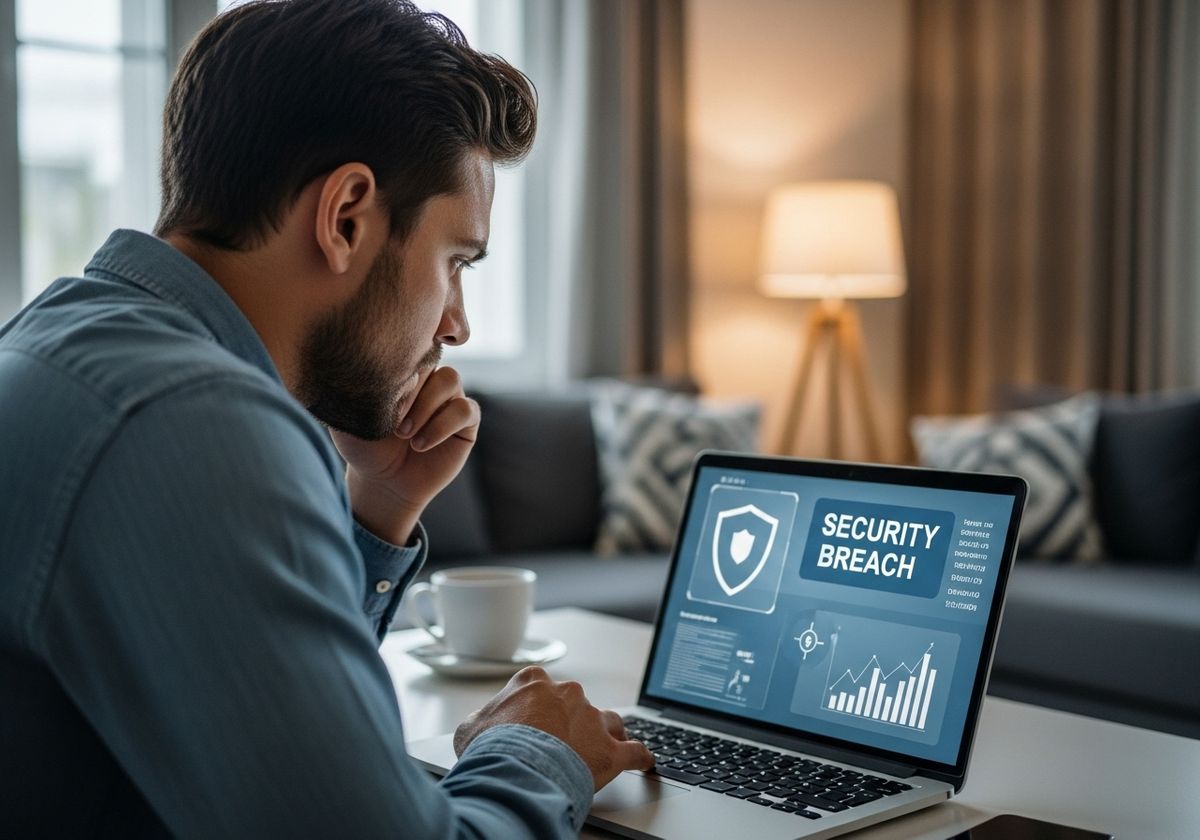
In today's digital age, remote work has become increasingly prevalent, offering numerous benefits for both businesses and employees. However, this shift also introduces new security challenges that must be addressed to protect sensitive data and maintain operational integrity. Understanding the risks associated with a remote workforce is the first step in mitigating them.

Common Security Risks of Remote Work
Remote work environments often lack the robust security infrastructure of a traditional office, making them vulnerable to various threats:
Unsecured Networks: Remote employees may use public Wi-Fi networks in coffee shops or airports, which are notoriously insecure and can allow hackers to intercept data.
Personal Devices: Using personal laptops or mobile devices for work can introduce vulnerabilities if these devices are not properly secured with antivirus software and strong passwords.
Phishing and Social Engineering: Remote workers are often more susceptible to phishing attacks and social engineering tactics, as they may be more distracted or less likely to verify requests in person.
Lack of Physical Security: Home offices may not have the same physical security measures as corporate offices, making them vulnerable to theft or unauthorized access.
Data Leakage: Sensitive data can be inadvertently leaked through unsecured devices, file sharing, or improper disposal of documents.
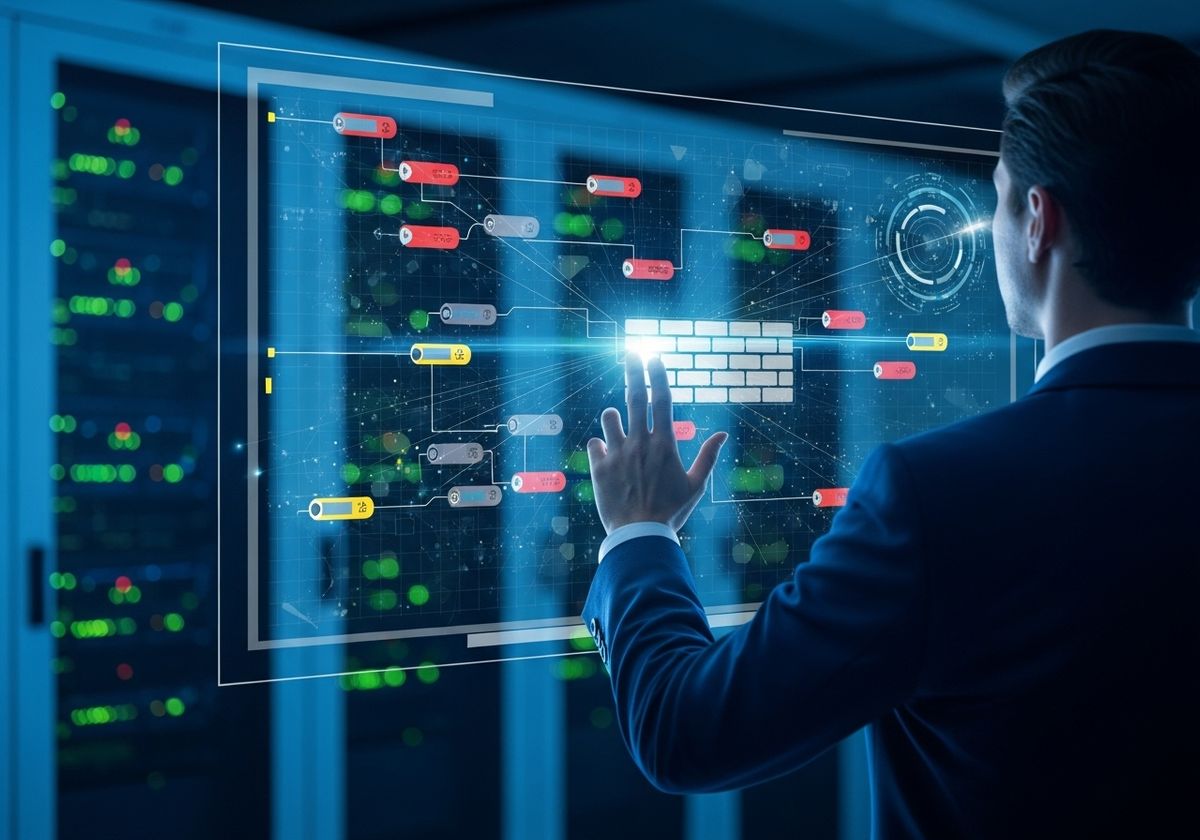
Mitigating Security Risks
To safeguard your business from these threats, consider implementing the following measures:
Virtual Private Networks (VPNs): Require employees to use VPNs to encrypt their internet traffic and protect sensitive data when accessing company resources.
Multi-Factor Authentication (MFA): Implement MFA for all critical applications and systems to add an extra layer of security beyond passwords.
Endpoint Security: Deploy endpoint security solutions on all employee devices to detect and prevent malware, ransomware, and other threats.
Security Awareness Training: Conduct regular security awareness training to educate employees about phishing, social engineering, and other common threats. Remind them to create strong, unique passwords and to keep their software up to date.
Data Loss Prevention (DLP): Implement DLP solutions to monitor and prevent sensitive data from leaving the organization's control.
Mobile Device Management (MDM): Use MDM tools to manage and secure mobile devices used for work, including the ability to remotely wipe devices if they are lost or stolen.
Securing a remote workforce requires a multi-faceted approach that combines technology, policies, and employee education. By understanding the risks and implementing appropriate safeguards, businesses can enable remote work while maintaining a strong security posture. Is your business looking for robust tech solutions to protect your remote workforce? As a leading it consulting firm, Rubix Technology provides comprehensive technology consulting firm services and support to businesses in Grand Rapids and beyond. Contact us today to learn more about how our managed services and IT support can help you secure your remote workforce and streamline your technology operations. We're your trusted local IT consulting firm, ready to simplify technology for your business growth.